
If You Build It, They Will Come
Major League Baseball enters 2026 with a transformed sponsorship landscape powered by artificial intelligence, 5G connectivity, and innovative fan engagement technologies. From automated ball-strike challenges to AI-generated player avatars, the intersection of sports, technology, and marketing has never been more dynamic.
The 2026 Season by the Numbers
Who's Stepping Up to the Plate
Eight first-year brands and entirely new sponsorship categories — including prediction markets and AI-powered personalization tools — join MLB's largest sponsor roster in recent memory.
Media Rights Innovation
Three premier events each season designed to capture both hardcore fans and casual viewers. Represents MLB's strategic push into streaming platforms.
Extensive exclusivity deal launched with the World Series champion Dodgers raising their banner on Opening Day. Signals that multiple streaming platforms are essential.
Notable Departures
| Brand | Tenure | Significance |
|---|---|---|
| Chevrolet | 21 years (since 2005) | Most significant — generational shift in automotive partnership |
| LoanDepot | Since 2021 | Financial services category departure |
| Mattress Firm | Since 2022 | Retail category departure |
| Charlotte's Web CBD | Since 2022 | CBD category departure |
| Dairy Queen | Since 2022 | QSR category departure |
| BlueForge Alliance | Since 2024 | Defense/industrial category departure |
The Tech Behind the Game
The ABS Revolution
T-Mobile's 5G-Powered Ball-Strike System
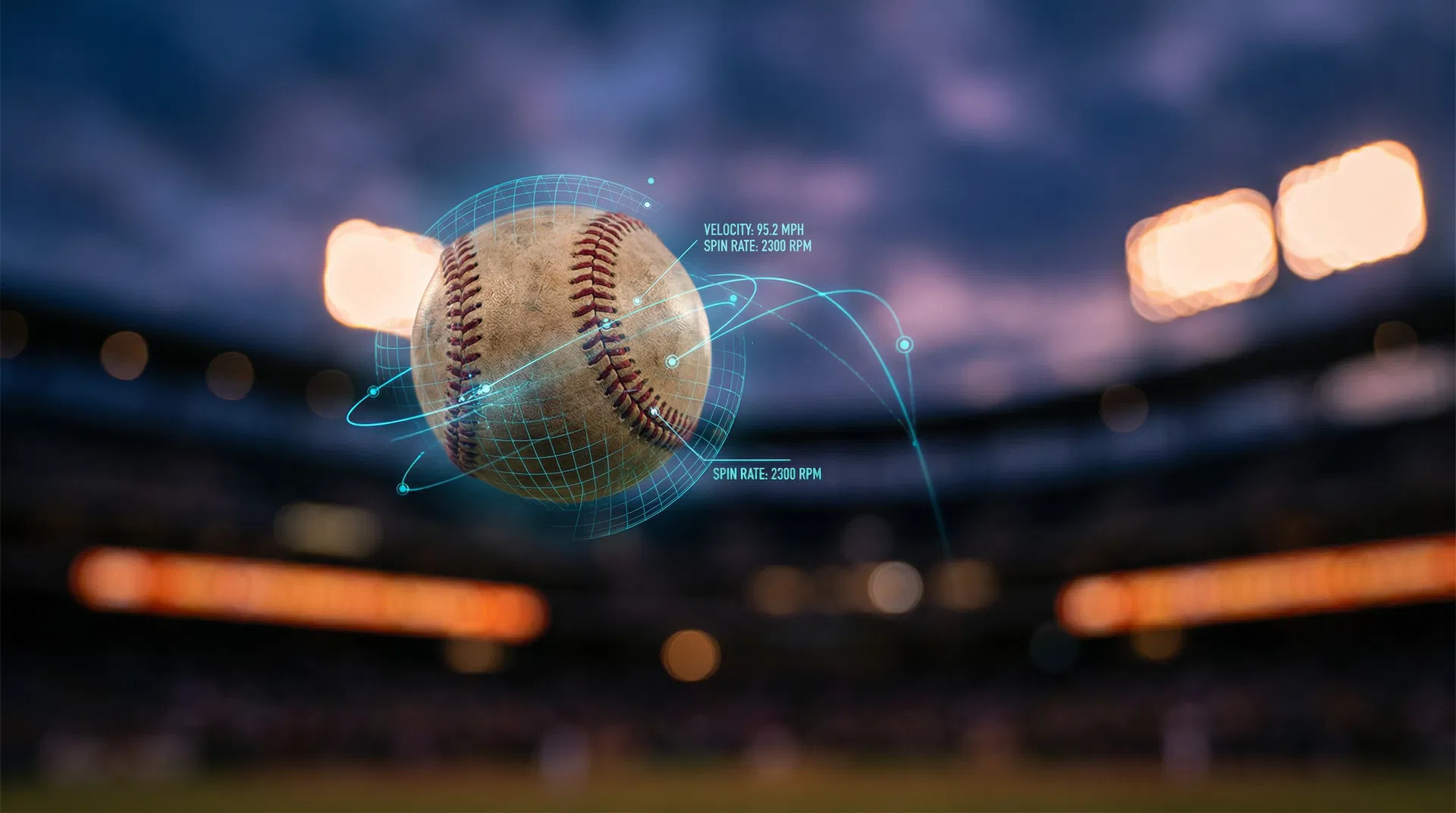
The most significant technological innovation in baseball for 2026 is the league-wide implementation of the Automated Ball-Strike (ABS) Challenge System, powered by T-Mobile 5G networks.
T-Mobile deployed fully private 5G networks across all 30 MLB ballparks, with dedicated all-edge installations using uncontested n41 spectrum for low-latency pitch tracking.
12 AI-powered Hawk-Eye cameras installed in each stadium, measuring pitch accuracy to about one-sixth of an inch. Trained over seven seasons in minor league baseball.
Teams receive 3 challenges per game (4th in extra innings). Pitcher, catcher, or batter taps their hat/helmet to signal. Hawk-Eye provides immediate ruling with minimal game interruption.
T-Mobile branding appears on stadium displays during challenges, creating thousands of branded impressions per game — a new category tied directly to gameplay mechanics.
"We've accomplished a lot through our longstanding partnership with MLB, and the rollout of ABS—powered by T-Mobile 5G—is one of our most exciting milestones yet."
The Ballpark of Tomorrow
Ballpark Wallet & Facial Auth
MLB introduced the 'Ballpark Wallet' feature in the MLB Ballpark app starting Opening Day 2026 with 13 teams, creating a seamless payment experience. Facial authentication expanded beyond entry to concessions on a pilot basis with 'Go-Ahead Pay.'
Financial services, payment processors, and fintech brands can sponsor digital wallet features, facial authentication systems, and cashless concession experiences.
MiLB Technology Upgrades
MiLB stadiums are investing heavily in fan experience technology. The Scranton/Wilkes-Barre RailRiders' PNC Field renovation includes massive video boards, LED walls, digital ribbon boards, and upgraded sound systems.
Sponsored camera angles, branded replay systems, zone-specific audio advertising, and interactive video board experiences represent new revenue opportunities.
StellarAlgo MiLB Platform
Minor League Baseball deployed StellarAlgo's fan engagement technology across all 120 MiLB teams for 2026, creating the most unified digital strategy in the league's history.
National sponsors can activate across 120 markets simultaneously with consistent technology platforms — a significant advantage over fragmented team-by-team activation.
Mobile-First Experiences
The Los Angeles Dodgers exemplify the shift toward a blended physical-digital model. Apps provide live scores, instant replays, player stats, and interactive maps with customizable notifications.
Sponsored content, in-app advertising, branded push notifications, and location-based offers that drive measurable fan behavior.
From Signage to Experience Integration
| Dimension | ⚾ The Old Playbook | 🚀 The 2026 System |
|---|---|---|
| Activation | Logo on stadium signage and broadcast mentions | Experience integration that enhances gameplay (e.g., T-Mobile ABS) |
| Measurement | Impressions and media equivalency values | Data-driven ROI with real-time asset tracking |
| Fan Interaction | Passive viewing of brand logos | AI-powered personalized engagement at scale |
| Technology Role | None — technology was separate from sponsorship | Technology IS the sponsorship asset |
| Personalization | One-size-fits-all mass messaging | Millions of content variations per individual fan |
| Timing | Static, pre-planned campaigns | Dynamic, real-time response to in-game events |
Challenges & Considerations
Technology Adoption Curves
While major league teams can invest in cutting-edge AI, 5G, and facial recognition, smaller market teams face budget constraints. League-wide deployments like StellarAlgo and T-Mobile's ABS help level the playing field.
Privacy & Data Security
Facial authentication, location tracking, and personalized marketing depend on collecting fan data. MLB must balance personalization benefits with privacy concerns, regulatory compliance, and fan trust.
Authenticity & Fan Acceptance
Not all technology integration enhances the experience. The ABS succeeded because it addressed genuine frustration while preserving human umpiring. Partnerships that feel forced risk fan backlash.
What's Coming Around the Bases
Expanded AI Avatar Ecosystems
- Virtual meet-and-greets with AI player avatars
- Personalized coaching tips from avatar versions of star players
- Fantasy baseball advice from AI representations of actual players
- Sponsor-branded avatar experiences
Augmented Reality & Virtual Signage
- Virtual signage visible only through mobile devices or AR glasses
- Personalized sponsor messaging based on individual viewer profiles
- Infinite inventory customized to individual viewers
- Transforms sponsorship from scarce physical to unlimited digital
Blockchain & Digital Collectibles
- Ticket NFTs that appreciate for historic games
- Real-time moment-based collectibles minted during significant plays
- Fan rewards programs built on blockchain loyalty tokens
- Sponsored NFT drops tied to player achievements
Sustainability & Social Impact
- Carbon-neutral stadium operations
- Community development programs
- Youth sports access initiatives
- Diversity-focused partnerships beyond traditional marketing metrics
A New Inning for America's Pastime
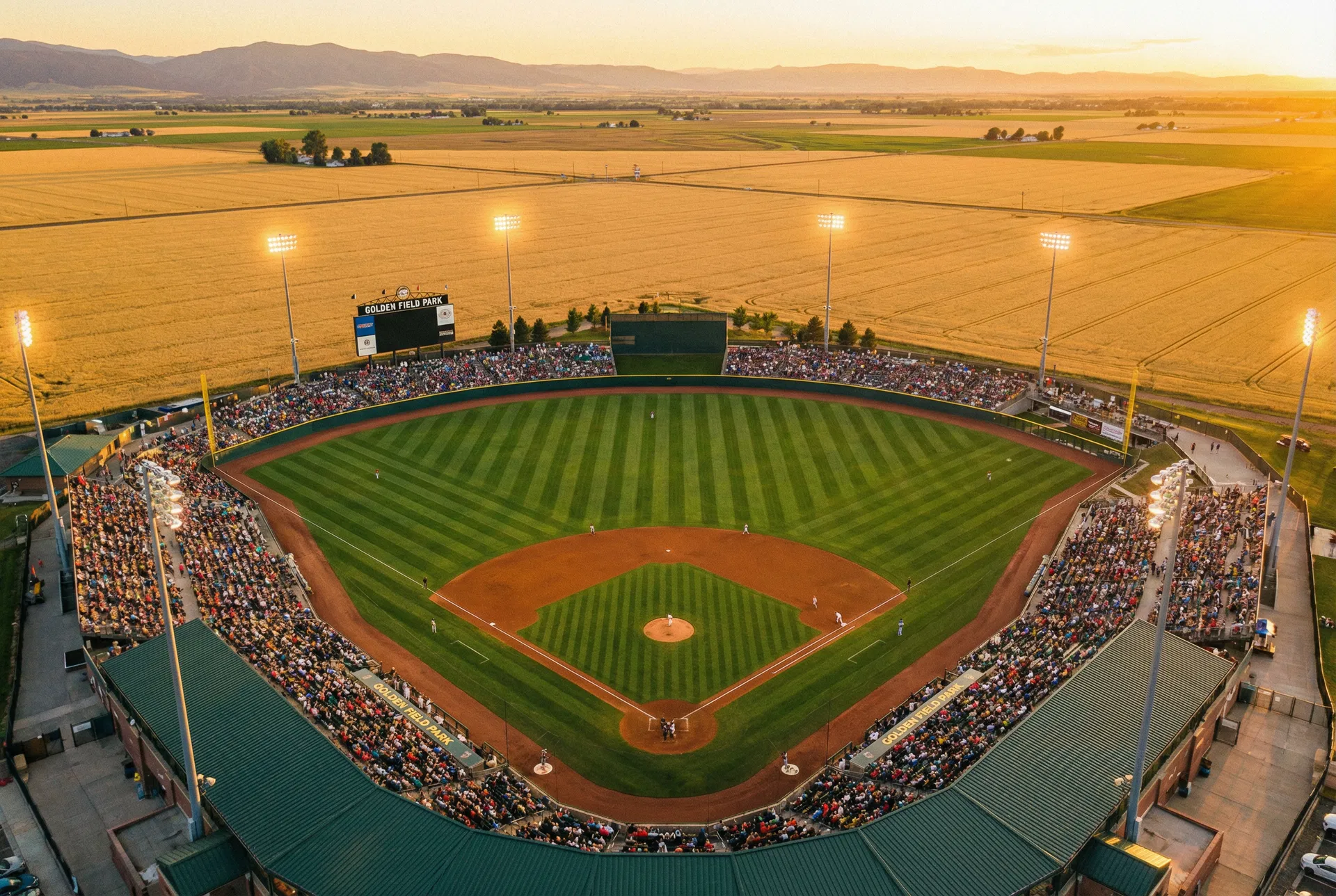
The 2026 season marks not just a new chapter in baseball marketing, but a fundamental redefinition of how sports, technology, and commerce intersect to serve fans who expect personalized, responsive, and innovative experiences every time they engage with the game.
The brands that are winning are not the ones with the biggest marketing budgets, but the ones with the most integrated technology. They understand that the future of sponsorship is not about buying attention — it's about providing utility, building ecosystems, and becoming an indispensable part of the sporting experience itself.
Be the Infrastructure
Not just the signage
Be the Experience
Not just the logo
Be Indispensable
Not just visible
"If you build it, they will come. But in 2026, you'd better build it with AI, 5G, and a fan experience platform."
Sources & Further Reading
All claims in this analysis are supported by the following 30 sources.
A resource hub by Andy Abramson — Comunicano